Listen, if you’ve ever driven a truck or machine with an Isuzu 4HK1 engine, you know what I mean. This engine isn’t delicate, but it’s not stupid either. If you ignore it, it will leave you sitting on the side of the road waiting for a tow truck. I’ve seen it happen too many times.
Let me tell you a true story from last month. A customer came in with his NPR truck. The 4HK1 engine just felt weak. He said, “This thing has no power. It climbs hills like an old cow.” I asked him, “When did you last change your fuel filter?” He thought for a second and said, “Maybe 20,000 kilometers ago?” I almost dropped my wrench. Twenty thousand kilometers without a new filter, and you blame the engine? Come on.
I changed his filters right there. I also cleaned the injector return lines. Then he took the truck for a test drive. He came back with a big smile. “Man, it feels like a whole new truck,” he said. That’s the 4HK1 for you. It just needs basic care.
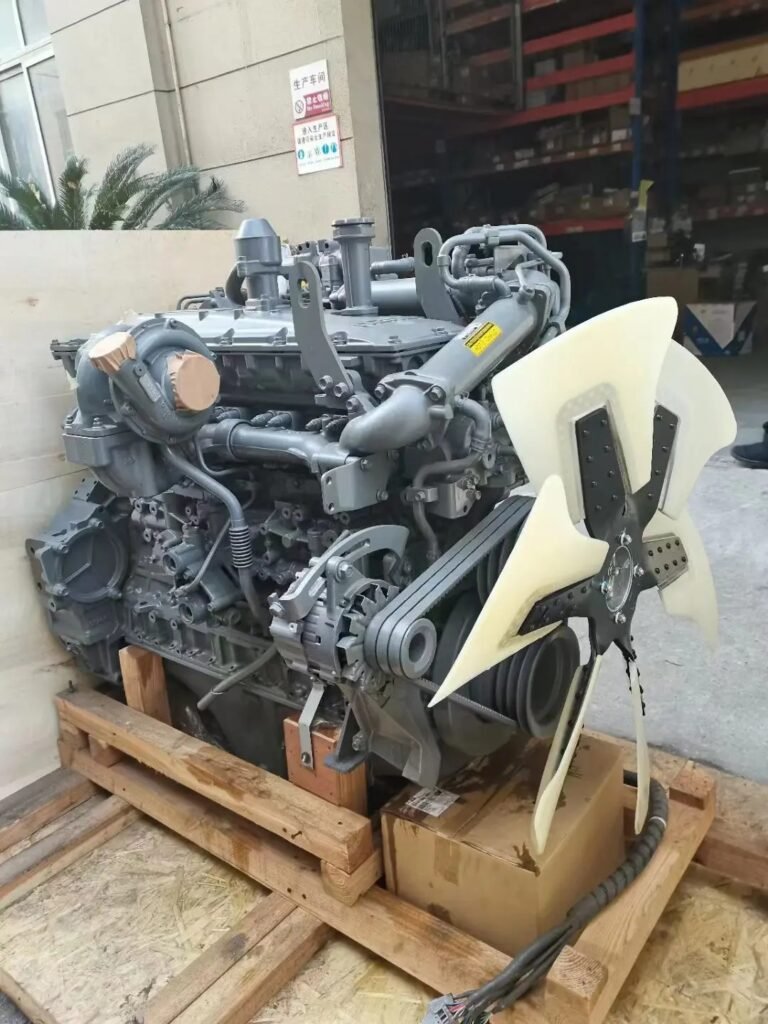
What Exactly Is the 4HK1?
The 4HK1 is a four-cylinder, high-pressure common rail diesel engine. Isuzu built it for medium-duty trucks and some construction equipment. The displacement is 5.2 liters. Horsepower ranges from about 150 to 210, depending on how it’s tuned. It’s more advanced than the old 4BD1 because it has more electronic parts. But here’s the good part: it saves fuel, it runs quietly, and it burns clean. If you do city delivery work, this engine can save you two to three liters of fuel per hundred kilometers compared to older models.
But don’t get too comfortable. It has a few weak spots. Let me walk you through them.
Four Common Problems You Need to Watch For
1. Injectors Hate Dirty Fuel
The injectors on a 4HK1 are very precise. The gap inside the nozzle is so small you can’t see it with your naked eye. If you buy cheap diesel from a no-name station, or if you let your fuel filter get clogged, those injectors will fail. What happens when they fail? The engine shakes. Black smoke comes out the exhaust. Your fuel bill goes through the roof. And a new set of injectors? That’ll cost you a good chunk of money.
My advice is simple. Use clean fuel from a trusted station. Change your fuel filter on time. Don’t be cheap about a fifty-dollar filter. It’s cheap insurance.
2. EGR Valve and Throttle Body Get Clogged with Carbon
After about 50,000 to 60,000 kilometers, the EGR valve and the throttle body can get covered in black sludge. I’ve seen it hundreds of times. When that happens, the idle becomes rough. The engine feels sluggish when you step on the gas. Sometimes the check engine light comes on. A lot of repair shops see the light and start replacing expensive parts. But usually, you just need to take the EGR valve off and clean it. I’ve cleaned over a hundred of them. After cleaning, the engine runs like new. Don’t let a shop sell you parts you don’t need.
3. Don’t Mess Up the DPF Regeneration
Many 4HK1 engines have a DPF, which is a diesel particulate filter. There’s a button on the dashboard for regeneration. Some drivers don’t know what it does. They either ignore the light or press the button at the wrong time. Here’s what you need to do. When the regeneration light comes on, find a safe place to park. Put the transmission in neutral or park. Set the parking brake. Then press the regeneration button. Let the engine run for about twenty minutes. It will burn off the soot inside the DPF. That’s it.
If you keep ignoring the light, the DPF will get completely clogged. Then you have to take it off and send it to a shop for cleaning. Or you buy a new one. Either way, it’s expensive. That money could buy you six months of good lunches. So just push the button when it tells you to.
4. Use the Right Coolant – No Shortcuts
The 4HK1 has wet cylinder liners. That means coolant flows around the liners to keep them cool. This design needs good coolant. I’ve seen people save a few bucks by using tap water. Others mix different colors of antifreeze. That’s a big mistake. The wrong coolant can cause corrosion. The cylinder liners get pinhole leaks. Then the coolant gets into the engine oil. The oil turns milky white. The engine dies. I’ve seen two trucks destroyed that way. The repair cost was almost half the price of a new engine.
So do yourself a favor. Buy Isuzu-approved coolant. Or at least use a high-quality antifreeze that meets the specs. Don’t mix types. Don’t use plain water. Your engine will thank you.
The Good Stuff – Why People Still Love the 4HK1
Okay, enough with the warnings. Let me tell you why this engine is still popular.
Fuel Economy. I have a customer who runs a delivery route. He drives about 100,000 kilometers a year. With the 4HK1, he saves nearly ten thousand yuan a year on fuel compared to other engines in the same power class. That’s real money.
Quiet Operation. When you sit in the cab at idle, you can barely hear the engine. It’s not like those old diesels that go “clatter clatter clatter” all day. This one purrs. Your ears will thank you after a long shift.
Parts Availability. Because Isuzu put this engine in so many trucks – the NPR, the NQR, and even some Hitachi excavators – you can find parts easily. Go to any decent truck parts supplier and say “4HK1.” They’ll know what you need. But here’s my advice: use genuine or brand-name parts for critical stuff like injectors, oil pumps, and water pumps. Don’t buy the cheapest no-name parts. They’ll fail and cost you more in the long run.
My Practical Maintenance Tips (Do These, or Else)
Let me make this super simple for you. Follow these steps and your 4HK1 will run a long time.
- Change the oil every 5,000 kilometers. Use CK-4 grade diesel engine oil. Don’t stretch it to 10,000. Just don’t.
- Change the fuel filter and water separator every 20,000 kilometers. If you work in dusty or humid areas, do it more often.
- Clean the EGR valve and throttle body every 30,000 kilometers. It takes an hour. It’s cheap. It keeps your engine happy.
- Check your air filter at every service. If you work on a construction site or a farm, change it more often. Dust is the enemy of cylinder rings.
- When the DPF regeneration light comes on, do it right away. Don’t put it off. Don’t ignore it. Just park and push the button.
- Use the right coolant. Don’t mix colors. Don’t use tap water. Don’t be cheap.
Looking for a Used 4HK1? Let Me Help You Out
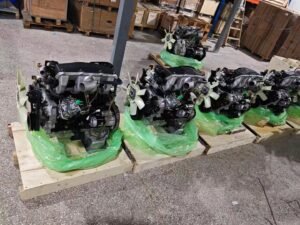
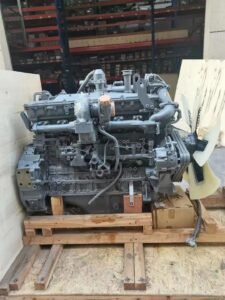
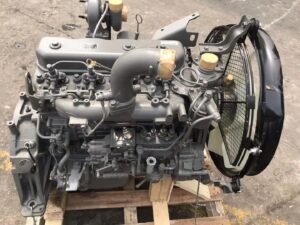
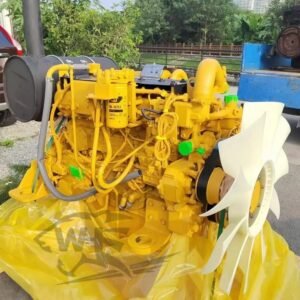
If you’re thinking about buying a used 4HK1 engine, or if the one in your truck is giving you problems, come check us out at Yutian Machinery.
I’m not here to sell you a story. I’m here to sell you a solid engine. Every 4HK1 we have goes through a full test. We change the worn parts. We clean what needs cleaning. We take videos of cold starts and running tests. You can see the data yourself. If you don’t believe me, bring your own mechanic. Open up any engine we have. See for yourself.
We’ve been in this business for over ten years. I’ve personally worked on more 4HK1 engines than most mechanics see in a lifetime. So when I tell you this engine is good if you take care of it, I mean it. Treat it right, and it’ll treat you right. Cut corners, and you’ll be calling a tow truck.
Got questions? Not sure which engine fits your truck? Want a video of a specific unit? Just reach out. You don’t have to buy anything. We can just talk. I’m happy to share what I know.
Final Word
The Isuzu 4HK1 is a solid piece of machinery. It’s not perfect. It needs attention. But if you give it clean fuel, fresh oil, and regular maintenance, it will serve you for hundreds of thousands of kilometers. Don’t be the guy who skips the filter change and ends up on the side of the road. Be the guy who knows his engine and takes five minutes to check things over.
And when you need a replacement engine or some honest advice, you know where to find us.
Yutian Machinery – We sell engines, and we sell peace of mind.