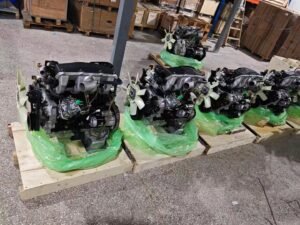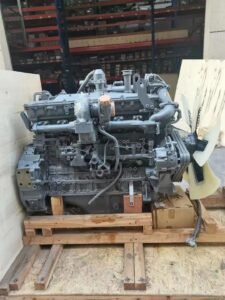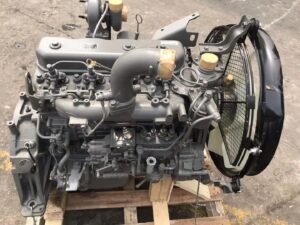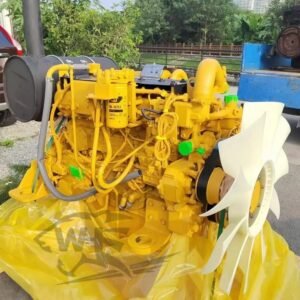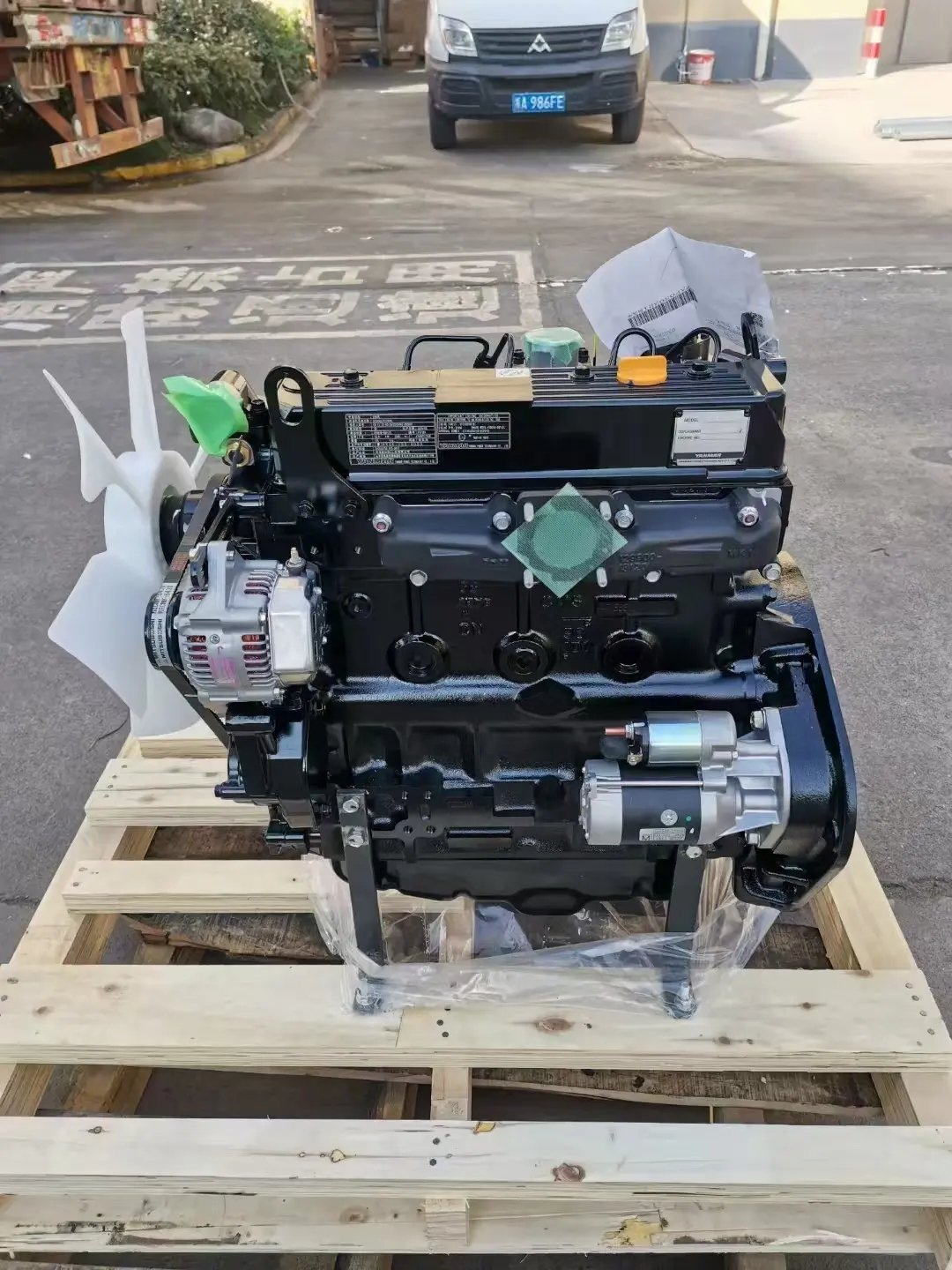
If you’ve been around diesel engines for a while, you know the name Yanmar. It’s a Japanese brand that has been making small diesel engines for nearly a hundred years. The build quality is solid.
But no matter how good an engine is, you still need to pick the right one, use it properly, and take care of it. I’ve handled quite a few Yanmar engines myself, and I’ve seen all kinds of situations. So let me share some honest talk with you. Think of this as a friendly heads-up before you buy.
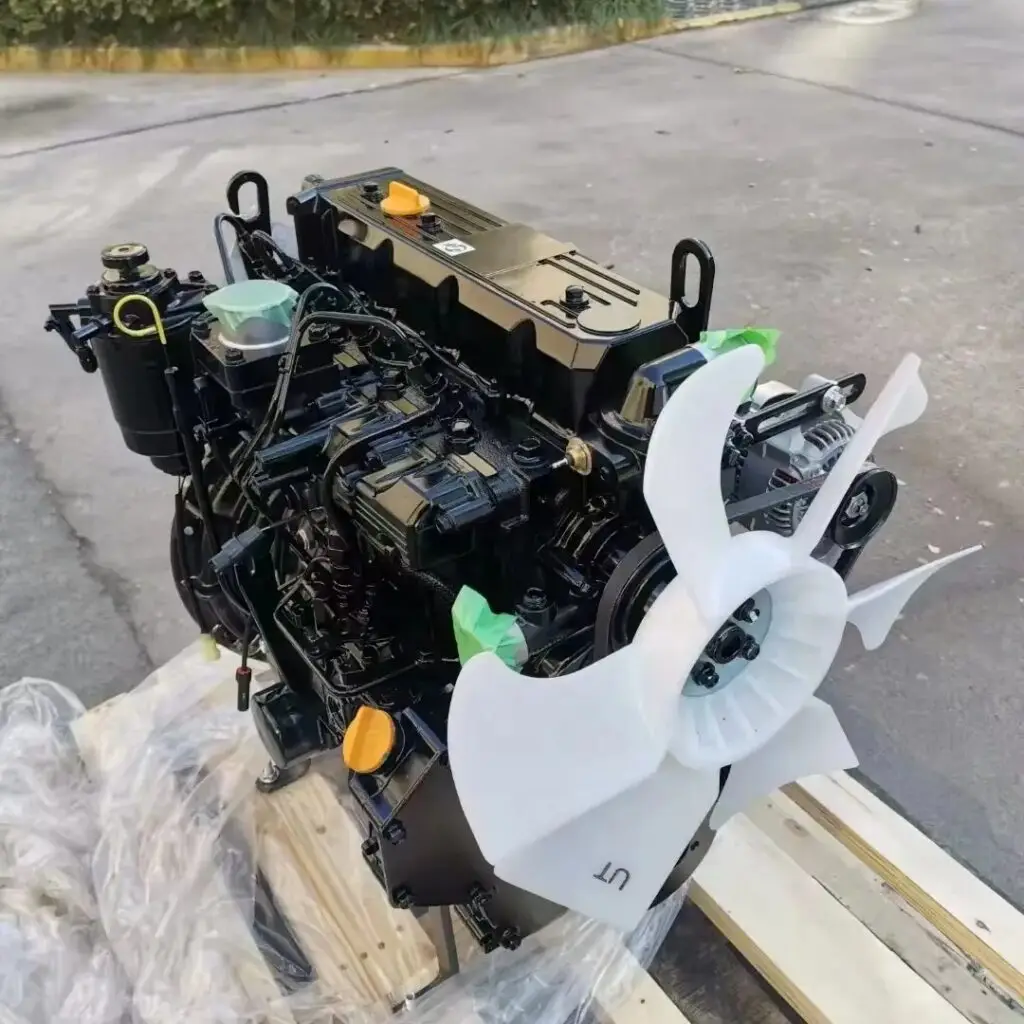
1. What Makes Yanmar Good? Here’s What You Should Know
Yanmar engines aren’t famous for no reason. Let me break down what they do well.
First, fuel economy. This really shows up when you’re working the machine hard. Whether it’s a marine engine or one in an excavator, Yanmar’s fuel consumption is consistently good. I have a friend who runs a delivery service. After switching to Yanmar, he saved a noticeable amount on fuel each month.
Second, ruggedness. Yanmar’s original strength is small diesel engines. They are compact and very durable. Those mini excavators and compact loaders you see on job sites? A lot of them run Yanmar engines. They take rain, sun, dust, and still start up and work.
Third, quiet operation. This is especially true for their marine engines. At idle, you can stand next to the engine and talk without shouting. It’s much quieter than many other engines in the same power range.
Fourth, wide range of uses. Yanmar doesn’t just do marine and excavator engines. You also find them in irrigation pumps, tractors, generators, and even biogas generators at waste treatment plants. They cover from a few horsepower up to over a hundred.
2. What to Look for When Buying a Used Yanmar
Every engine has its own personality. Yanmar is no different. The points below are things that come up in real-world use. If you know about them, or if you buy from a reliable seller, they’re not big problems.
1. Oil and oil filters matter
Yanmar themselves have pointed out that if you use a poor-quality oil filter or go too long between oil changes, small metal particles can build up in the engine. Those particles mix with the oil and can affect the moving parts in the crankshaft. Friction increases, and over time, that can impact bearing life.
In more serious cases, debris can get into the oil pump and cause low oil pressure. When oil pressure drops, the core moving parts don’t get good lubrication.
But here’s the good news: this is easy to prevent. Change your oil and filter on time, and use good-quality products. A new oil filter costs very little compared to an engine repair. At Yutian Machinery, every Yanmar engine we sell gets fresh oil and a new filter before it leaves us. You get it in a clean, safe condition.
2. The fuel system needs clean fuel and a good filter
Yanmar’s fuel system has a reasonable need for cleanliness. If the fuel filter is left in place too long, or if you use dirty diesel, contaminants can get into the injection pump’s plunger. If the plunger gets worn, the engine may become a bit hard to start. You might have to crank it a few times before it fires.
In worse cases, dirt can clog the injector nozzles, causing poor fuel atomization. Then you get white smoke from the exhaust and rough running.
What we do: Every Yanmar engine we handle gets a new fuel filter. We also run start-up tests to make sure it starts easily and has no unusual smoke. You can ask us for a cold start video and see for yourself before you decide.
3. Keep the air intake clean
Another common point is the air intake system. If the air filter is left dirty for too long, or if the valve seat sealing surface gets worn, the engine won’t get enough air. That leads to poor combustion, white exhaust smoke, and weak power.
Think of it like running while pinching your nose. You’ll get out of breath quickly. Same for an engine – no air, no power.
Our practice: Before we list an engine, we check the air filter and the intake path. We change or clean as needed so the engine breathes freely.
4. For marine Yanmars, pay extra attention to the cooling system
If you’re buying a marine Yanmar engine, take a closer look at the cooling system. Marine engines work in a wet or even salty environment. Yanmar does design for that, but over the long term, if maintenance has been skipped, the cooling system can develop issues.
What we do: For marine engines, we carefully inspect the cooling system for scale deposits or signs of leaks. You get an engine that’s in good shape.
3. How to Read Yanmar Model Numbers – Don’t Get Confused
Yanmar makes quite a few models, but the main ones fall into a few categories. Let me help you sort them out.
Core series: TNV series
This is Yanmar’s main water-cooled diesel line. Most meet EPA Tier 2 or Tier 4 standards. They come in three-cylinder and four-cylinder versions.
| Model | Cylinders | Approx. HP | Common Uses |
|---|---|---|---|
| 3TNV76 | 3 | ~24 hp | Mini excavators, small stackers |
| 3TNV88 | 3 | ~26 hp | Small loaders, small tractors |
| 4TNV88 | 4 | ~47 hp | Small excavators, small gensets |
| 4TNV98 | 4 | ~41 hp | Farm equipment, construction machines |
| 4TNV106 | 4 | 55+ hp | Medium to large industrial equipment |
| 4TNV84T | 4 turbo | ~55 hp | Compact machines needing extra power |
| 4TNV86CT | 4 turbo intercooled | 60-70 hp | Slightly larger equipment |
| 4TNV98CT | 4 turbo intercooled | 80-110 hp | Heavy excavators, farm equipment |
How to choose? Here’s a simple way:
- For a small excavator or skid steer loader, a 3-cylinder is usually enough.
- For medium equipment or a genset, the 4-cylinder naturally aspirated TNV series is very reliable.
- If your machine works at full load often, or at high altitude, go for a turbo version (with T).
- If you’re in a region with strict emission rules (like the EU or big cities in China), choose the models with C or CT – they meet Tier 4 standards.
Not sure which one fits your machine? Just ask us. The sales and engineering team at Yutian Machinery can help you match the model.
4. Things You Can Do Before Buying a Used Yanmar
We sell engines, and we also want you to buy with confidence. Here are a few things we recommend checking for any used engine.
First, ask for service records. Are there records of oil and filter changes? Has it ever been rebuilt? If you buy from us, we’ll provide whatever records we have.
Second, ask for start-up videos. We can send you cold start videos, idle videos, and load test videos for every engine. You can see the smoke color and hear how it runs. This is standard for us.
Third, ask about its past use. Was it on a boat? In an excavator? On a farm pump? Different jobs cause different wear. We’ll tell you honestly where the engine came from.
Fourth, inspect key areas. Look for oil leaks on the outside. Check the coolant for a milky color. For marine engines, look for signs of corrosion. Before we list an engine, we check these things ourselves and will point out anything notable.
5. Why You Can Buy with Confidence from Us
Yutian Machinery deals in used and rebuilt engines. We are not the kind of seller who just flips machines without responsibility.
What we do for you:
- Basic service on every engine. Oil, oil filter, fuel filter, air filter – we change or clean as needed.
- Test data and videos. Cold start, idle, under load – you can see it from any angle you want.
- Warranty on key parts. Even 30 days is better than “as-is – no returns.” For some rebuilt engines, we can offer longer coverage.
- Help you match the right model. You don’t have to guess from a chart. Send us your equipment info, and we’ll confirm the fit.
A note on rebuilt engines: Some sellers just wash the outside and spray paint. That’s not how we work. When an engine truly needs rebuilding, we replace the piston kits, grind the crank, and calibrate the injectors. That costs more, but you get solid reliability. If you want to know exactly how much rebuild work a specific engine has had, we’ll tell you honestly.
6. Some Final Honest Words
Yanmar makes a good engine. Compact, fuel-efficient, quiet. It’s always been a top name in small diesels. It still needs care, but you don’t have to be nervous about it. Change the oil and filter on time, use clean fuel, don’t skimp on the air filter – and it will serve you for a long time.
If after reading this you feel more confident, great. If you feel a bit less confident, that’s fine too. Diesel engines are a hands-on business. When you’re unsure, come talk to us at Yutian Machinery. You can bring your own mechanic to pick an engine, or we can send you videos and data first so you can decide online.
Better to spend a little more time choosing than to regret it later. We’ll help you think it through.
Yutian Machinery – We sell engines, and we sell peace of mind.